UWA Releases the Industry’s First Spatial Imaging Standard to Foster Ecosystem Development

Spatial imaging refers to images or videos generated through reconstruction technologies that support multi-degree-of-freedom viewing and interaction. As an upgrade from today’s mainstream two-dimensional imaging, spatial imaging can capture and record richer visual and auditory information, convey deeper emotional expression, and allow users to explore objects and scenes more immersively from multiple perspectives, including six degrees of freedom such as translation and rotation. This opens up new possibilities and application prospects for social media sharing, e-commerce product display, map-based lifestyle services, architecture, industry, and many other fields.

In recent years, reconstruction technologies represented by 3D Gaussian Splatting, or 3DGS, have developed rapidly, enabling ordinary consumers to use lightweight terminals such as smartphones to complete high-quality reconstruction at low cost and with high efficiency, while also supporting real-time rendering and interactive browsing on the device side. However, the industry currently lacks a unified exchange format for spatial imaging. The packaging, encoding, and decoding methods adopted by different manufacturers are not compatible with one another, making it difficult for spatial imaging files to be shared across different devices and applications. This also increases the complexity of third-party ecosystem adaptation and may lead to ecosystem fragmentation.

To address these challenges, the UHD World Association (UWA), joined hands with more than 20 partners from industry, academia, and research institutes to establish a spatial imaging standards project group. The group has also maintained technical coordination with the 3D Formats Working Group of the Khronos Group, an international standards organization. After more than a year of requirement discussions, technical solution development, testing, and verification, and in consideration of current industry conditions and future development needs, the project group jointly developed the standard Three-Dimensional Image Format Supporting Six-Degrees-of-Freedom Interaction.
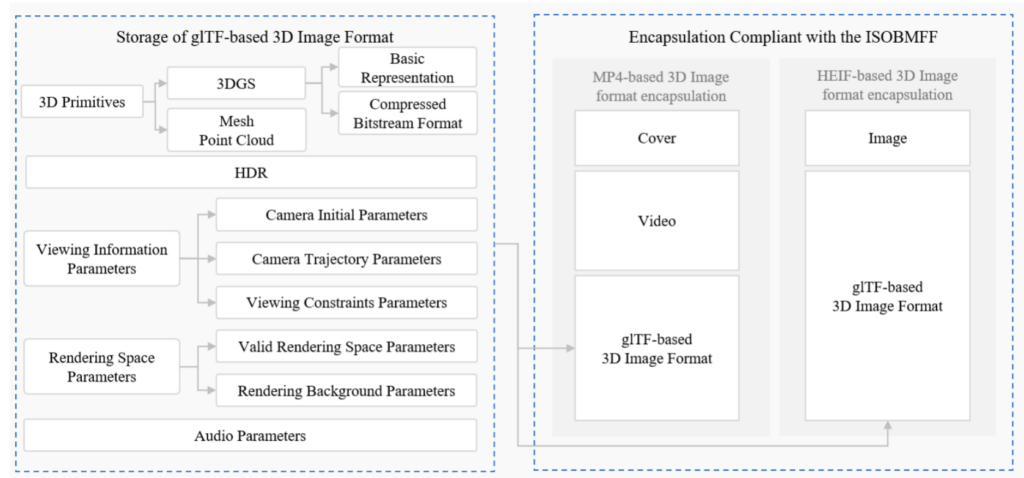
Framework of the Three-Dimensional Image Format Supporting Six-Degrees-of-Freedom Interaction

The standard features industry-leading technical capabilities:

  1. Efficient compression
    The standard provides EGSC, or Efficient Gaussian Splatting Codec, a 3DGS encoding and decoding solution that supports variable bitrates. Under the premise of visually lossless viewing on mobile devices, EGSC delivers an average compression ratio of 20x and up to 30x, achieving industry-leading performance. EGSC makes full use of the hardware encoding and decoding capabilities of mainstream devices, enabling fast encoding and decoding. For one million Gaussians with 0–3 order SH, encoding takes less than 4 seconds and decoding takes less than 400 milliseconds. It also reduces graphics memory usage during rendering, equivalent to approximately 50% to 75% of the original file size.
  2. Flexible extensibility
    The standard stores 3DGS based on glTF, while remaining compatible with traditional 3D representations such as meshes and point clouds. It also extends support for features including audio, HDR, and viewing constraints.
  3. Ecosystem-friendly design
    The standard supports outer-layer packaging based on ISOBMFF, including MP4 and HEIF. This enables 3D scenes in glTF format to be encapsulated into MP4 or HEIF files, reusing existing media-format storage and sharing channels.

Taking the Three-Dimensional Image Format Supporting Six-Degrees-of-Freedom Interaction standard as a starting point, UWA has entered into a strategic partnership with the Khronos Group. Together, the two organizations will work to develop globally unified standards for spatial imaging technologies and expression formats represented by 3DGS, helping avoid duplicated efforts and fragmentation while supporting the large-scale development of the spatial imaging industry and building a unified global ecosystem. The two parties have jointly launched the CKAP China Graphics Working Group to promote standards coordination and ecosystem co-development through standard requirement input, references to the KHR_Gaussian_Splatting extension, standard development, and tool contributions.
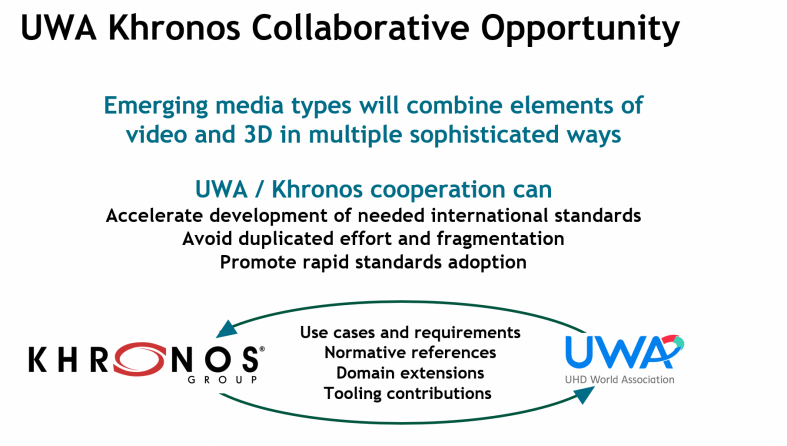
UWA and its industry partners will develop a series of open-source tools around this standard, including packaging and unpacking tools, codecs, renderer reference tools, and source code. They will also continue discussions on the future evolution of spatial imaging standards, promote industrial implementation of the standard, and support the flourishing development of the spatial imaging industry.
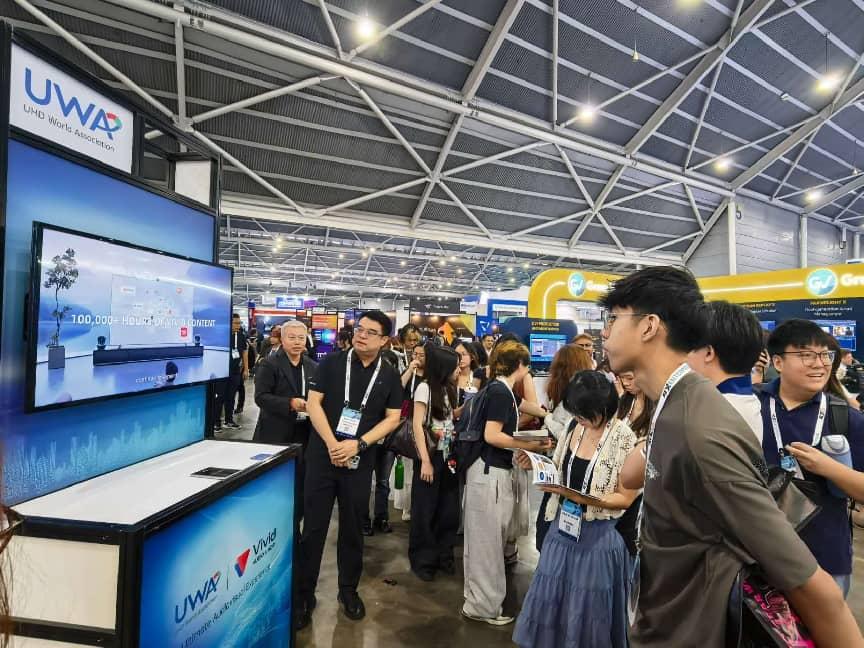
UWA and Its Members Showcase Vivid Technologies at BroadcastAsia 2026 in Singapore, Jointly Defining the Next-Generation Audiovisual Experience

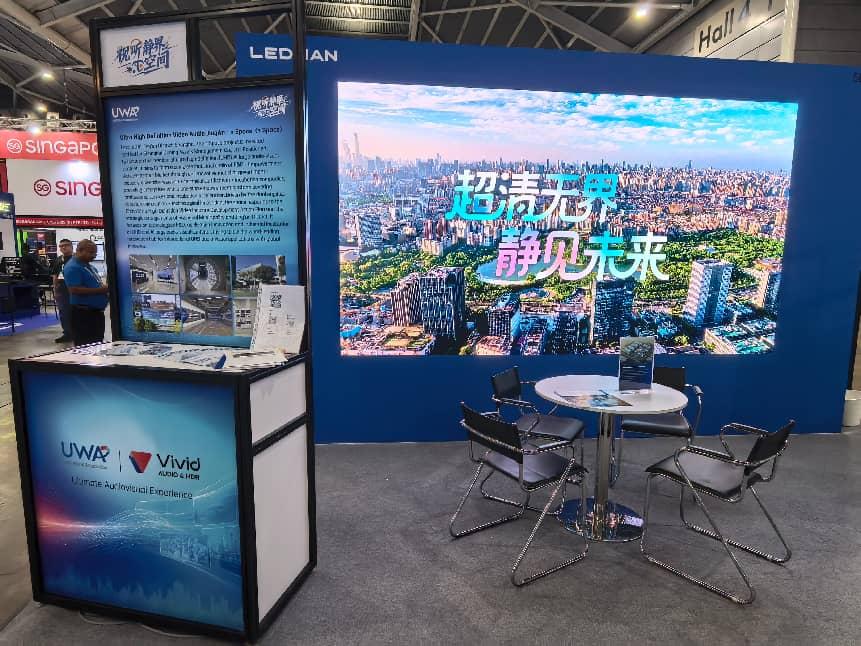
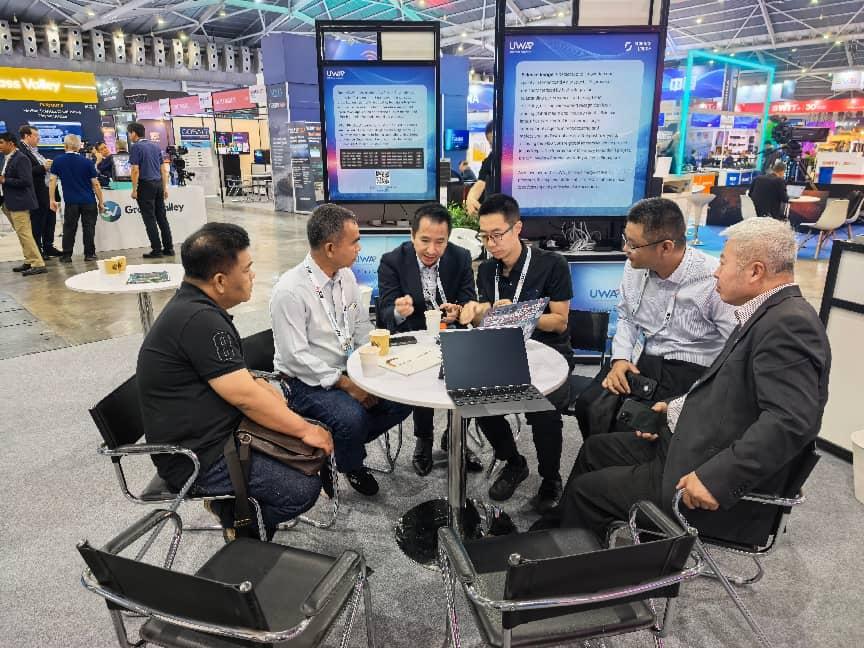
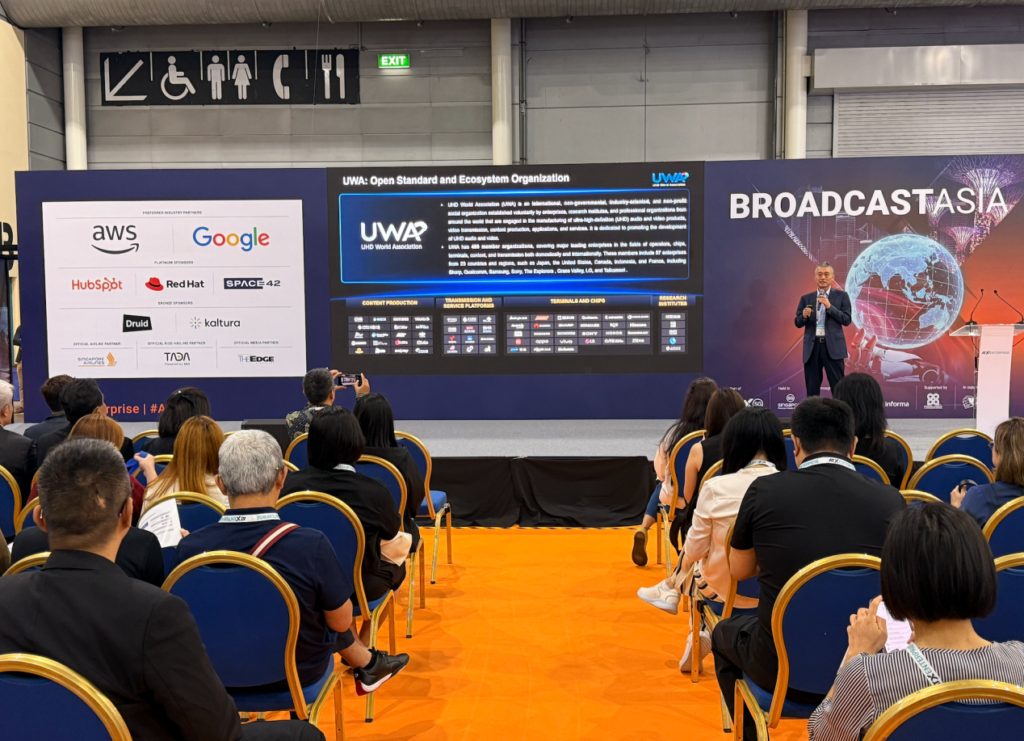
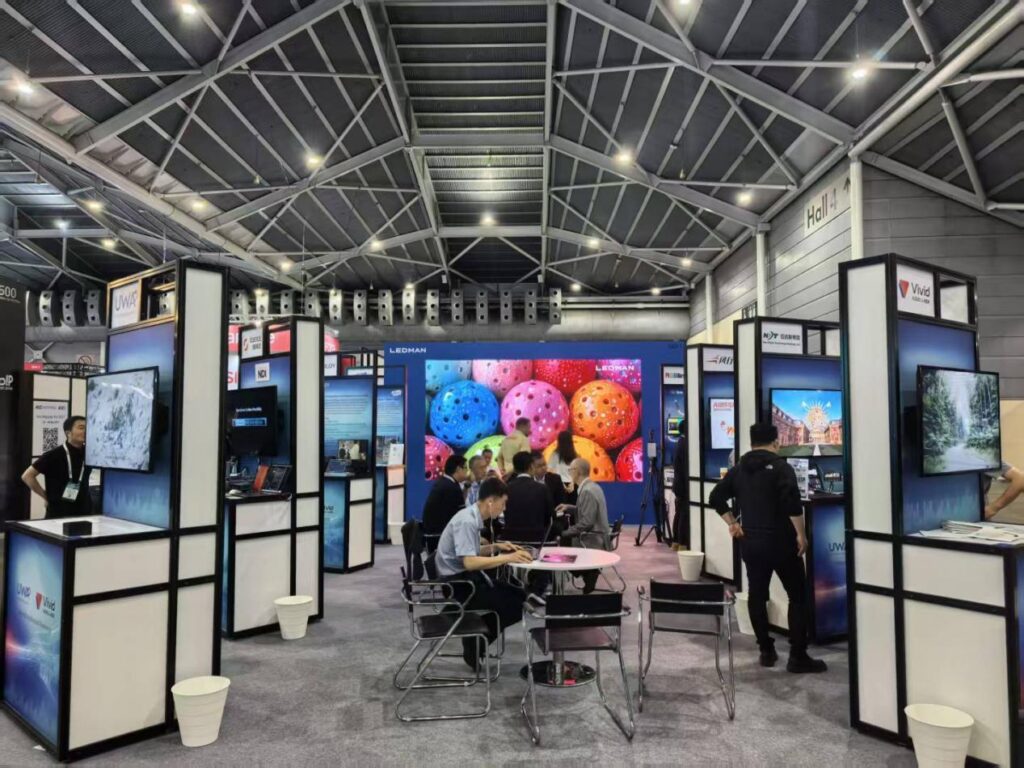
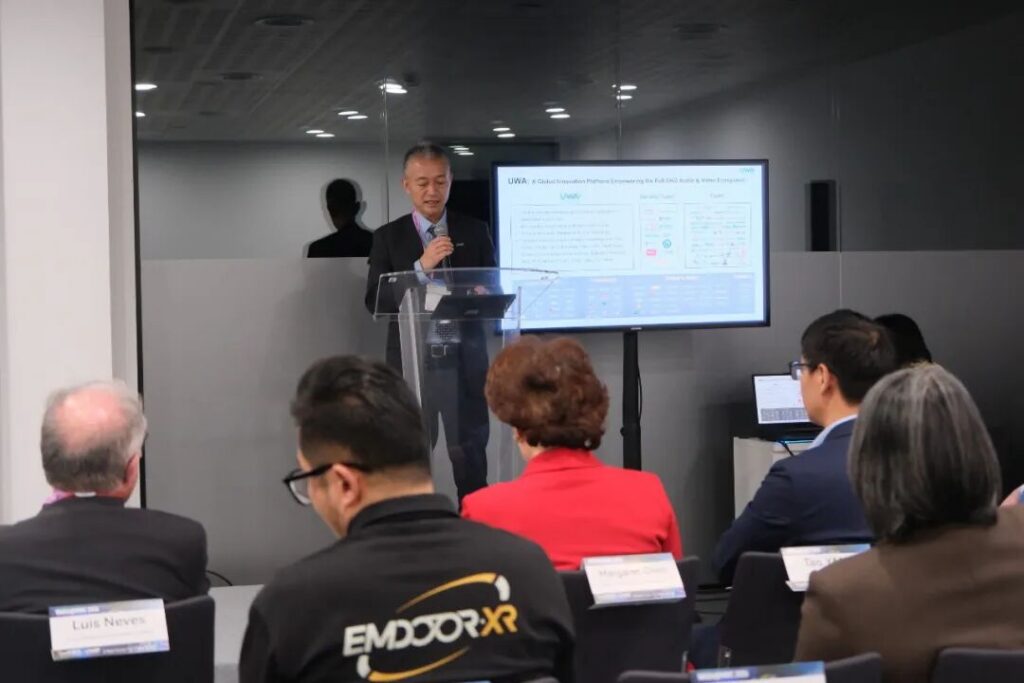
From May 20 to 22, ATxEnterprise BroadcastAsia 2026 (BCA), one of Asia’s leading broadcasting and media technology exhibitions, was successfully held in Singapore. The UHD World Association (UWA), together with multiple members, jointly presented the “UWA Pavilion” ecosystem booth and the immersive “Vivid Experience Room,” showcasing the latest ecosystem achievements and innovative applications of Vivid technologies in the ultra-high-definition audiovisual industry.
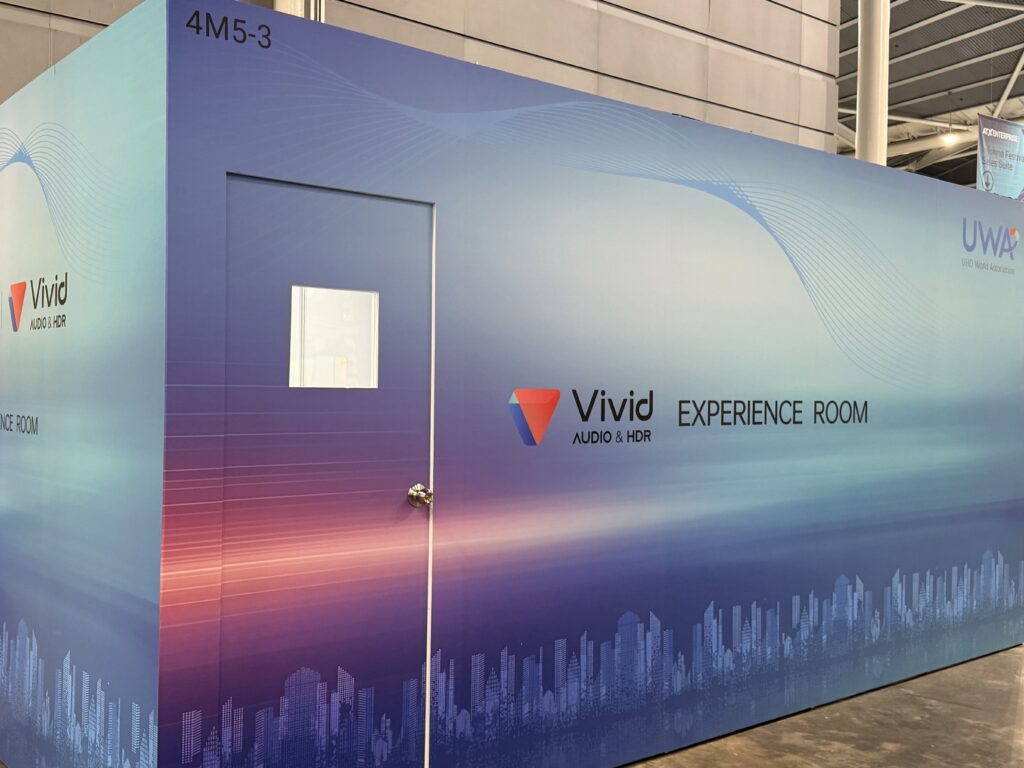
As one of the highlights of this year’s exhibition, UWA carefully designed the Vivid Experience Room, featuring a 7.1.4 immersive home theater sound field system powered by a soundbar and surround speakers. Through immersive demonstrations, visitors experienced the seamless integration of Audio Vivid’s 3D spatial audio and HDR Vivid’s high-dynamic-range visuals. Multiple comparison demos across movies, music, and sports content enabled audiences to directly experience the enhanced color depth, contrast details, and visual realism delivered by HDR Vivid, as well as the upgraded spatial positioning, sound movement, and immersive audio experience enabled by Audio Vivid.

Meanwhile, the UWA Pavilion ecosystem booth highlighted its latest progress in continuously advancing the Audio & HDR Vivid ecosystem across multiple scenarios including mobile, automotive, home entertainment, and cinema applications.

At the exhibition, UWA member companies showcased a wide range of innovative technologies and flagship products:

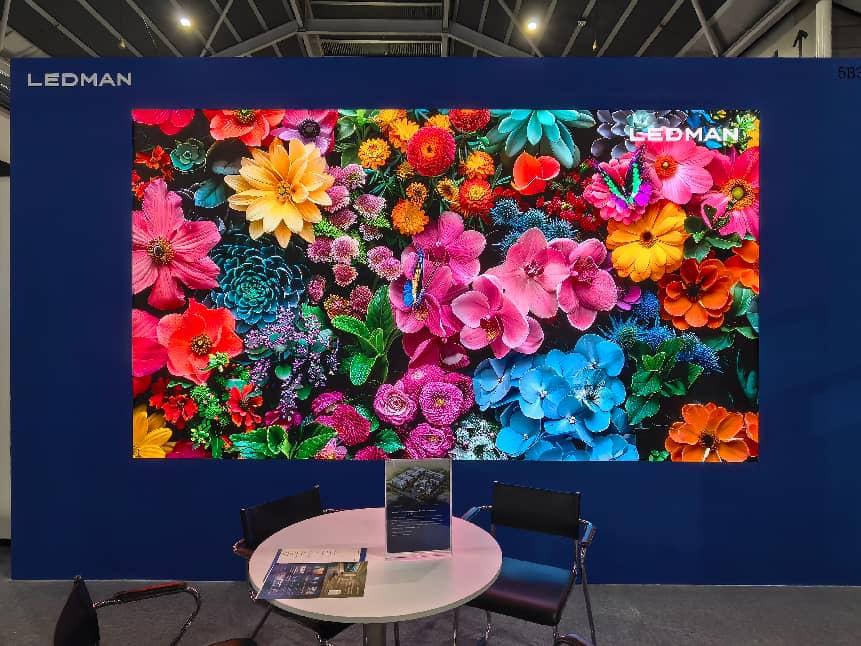
LEDMAN presented its COB ultra-HD display products equipped with a self-developed AI low-power cold-screen system. The products attracted strong attention from industry professionals worldwide with their outstanding visual performance. Featuring high resolution, high contrast, high refresh rates, and wide color gamut, the displays also offer low power consumption, stable operation, and enhanced durability, delivering vivid and lifelike UHD visual experiences.

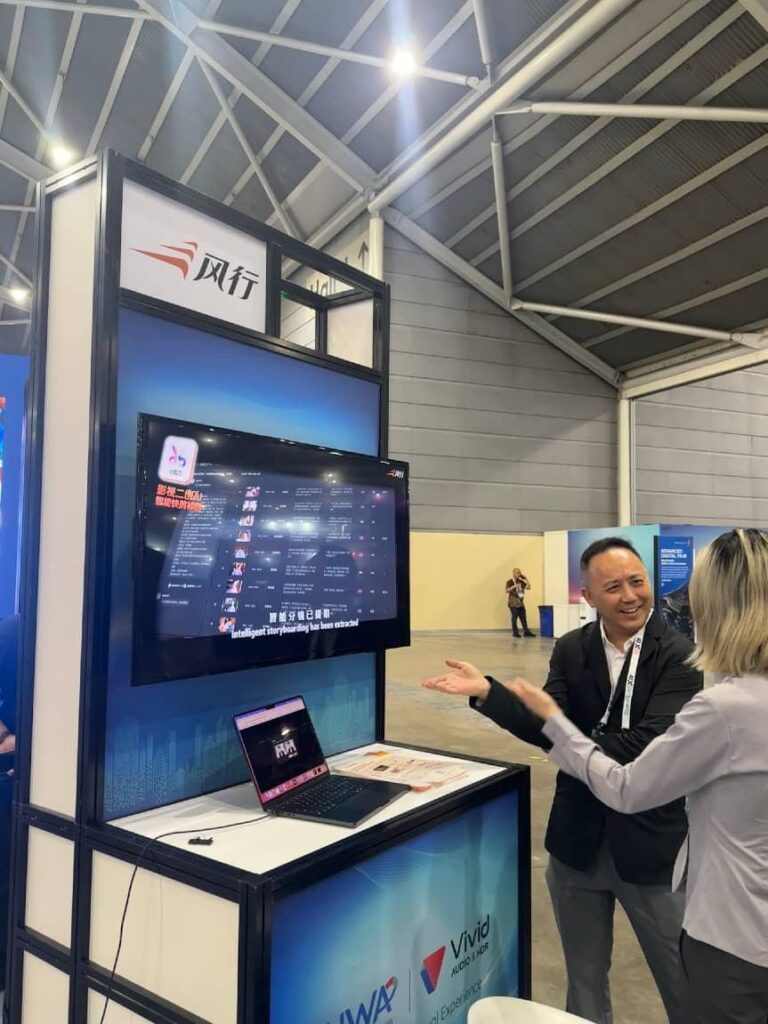
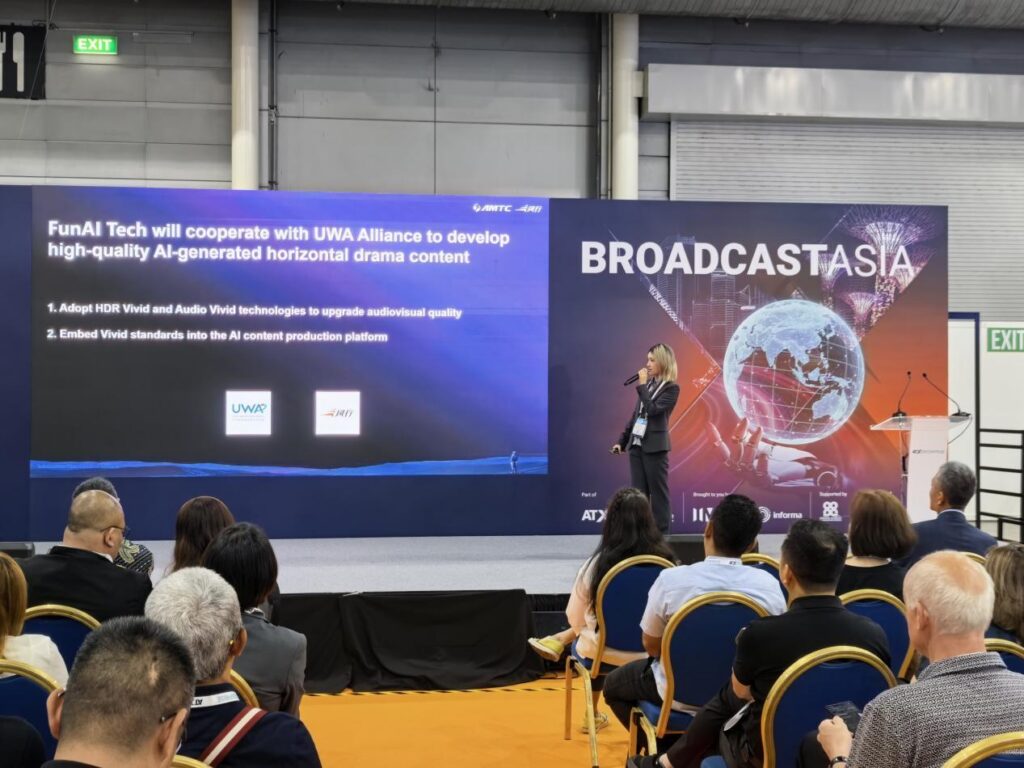
FunAI Tech demonstrated its AI entertainment ecosystem platform, covering AI short dramas, intelligent content creation, and smart distribution solutions, further integrating AI with UHD content ecosystems while simplifying creative workflows.

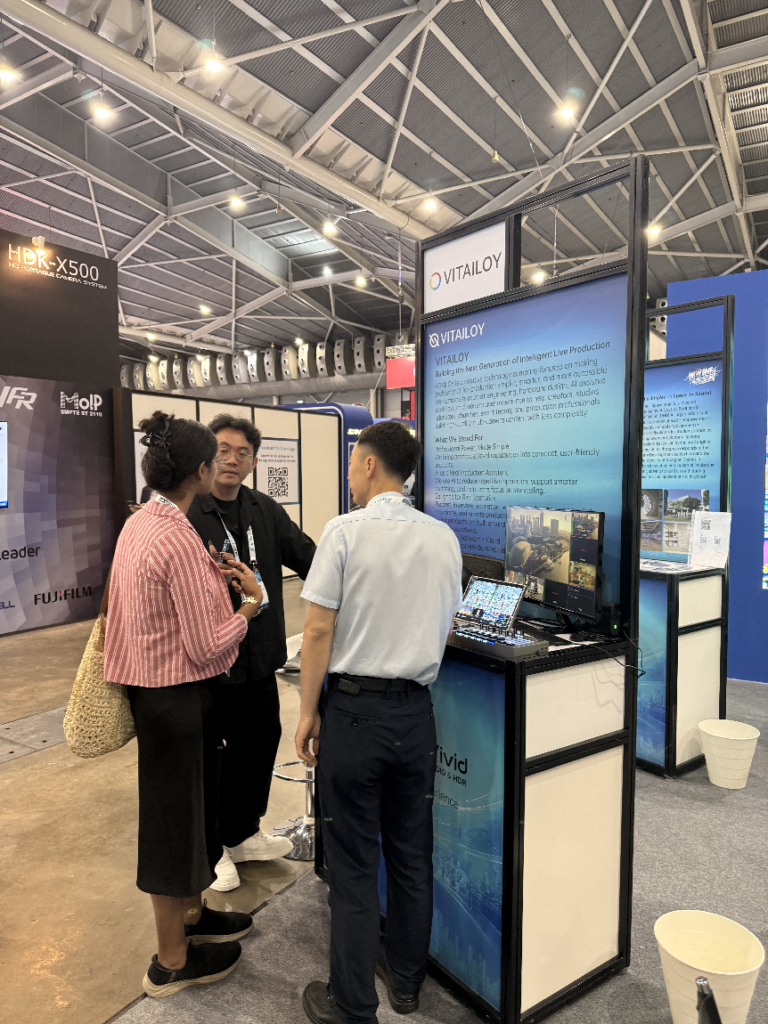
Vitailoy showcased UHD production and broadcasting equipment, intelligent production tools, and integrated solutions tailored for overseas professional audiovisual and lightweight content production scenarios, highlighting its comprehensive capabilities in broadcasting technology innovation and application integration.

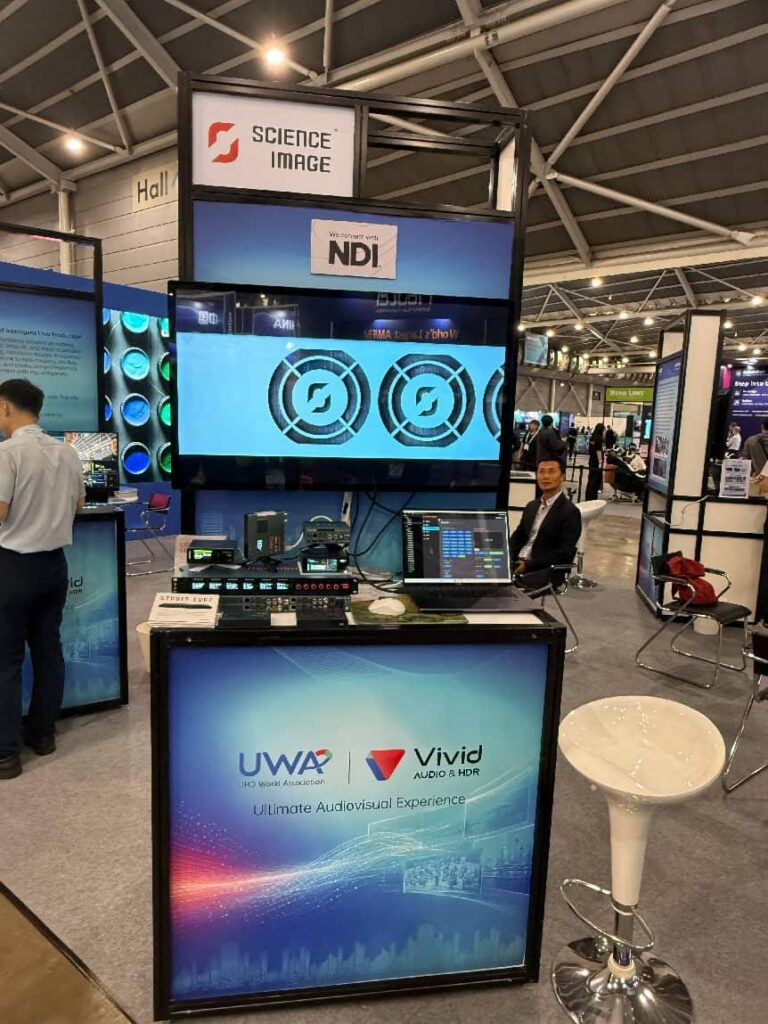
Science Image focused on professional AV live production and recording solutions, including rack-mounted 12G-SDI/4K60 codec transmission systems and multi-protocol integrated recording and streaming solutions.

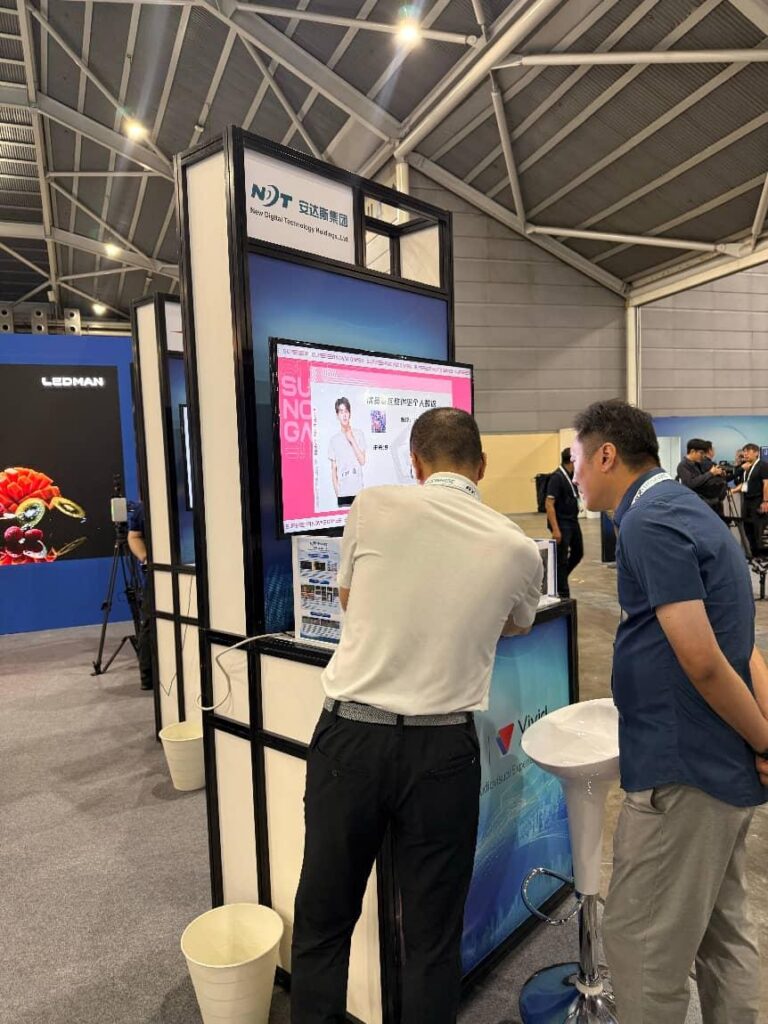
NDT presented end-to-end broadcasting solutions covering production systems integration, OB vans, master control broadcasting systems, and lightweight software-based broadcasting ecosystems.

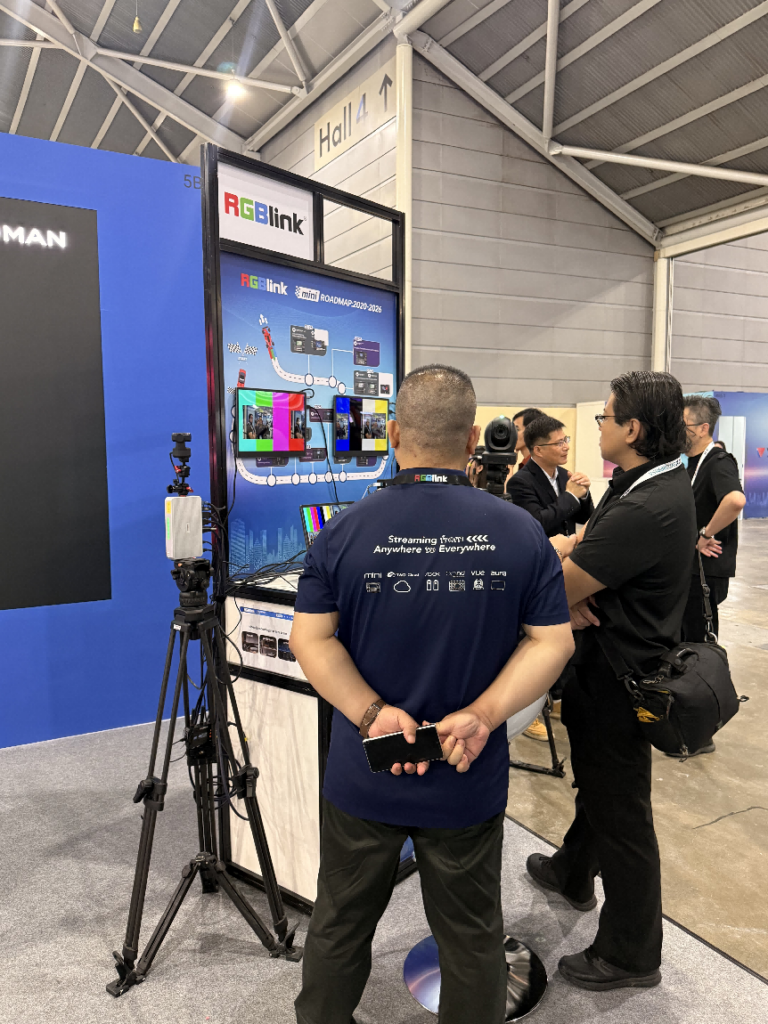
RGBlink officially launched its intelligent hardware solution “streamZ,” designed to empower new media creation and content communication. Combining technology accessibility with AI innovation, the solution aims to make interactive content the core of every screen experience.

π Space focused on technological R&D, application innovation, and industrial implementation of UHD and AI-powered audiovisual content, presenting its vision of building an internationally influential innovation hub for UHD audiovisual applications. Together with UWA, its parent company has jointly established the Shanghai Ecosystem Cooperation Center to integrate technology R&D, scenario experience, standards development, and ecosystem collaboration, driving the growth of domestic audiovisual technologies.

During BroadcastAsia 2026, UWA also conducted in-depth exchanges with broadcasting organizations and industry associations from Singapore, Indonesia, Thailand, and other regions, including Mediacorp Singapore, Television Republic of Indonesia, Asia Video Industry Association, Elevate Broadcast, as well as True and SWS from Thailand. Discussions focused on UHD technology development, immersive audiovisual experiences, international standards collaboration, and regional ecosystem cooperation, further strengthening UWA’s collaboration and ecosystem connectivity with Southeast Asia’s broadcasting and media technology industries.

Through its participation at BroadcastAsia 2026, UWA and its member companies jointly demonstrated the maturity and broad potential of Vivid technologies. Leveraging this international platform, participants deepened industry exchanges and expanded global cooperation opportunities. Moving forward, UWA will continue working with global partners to advance immersive audiovisual ecosystems across multiple scenarios and jointly promote the globalization of the UHD industry.
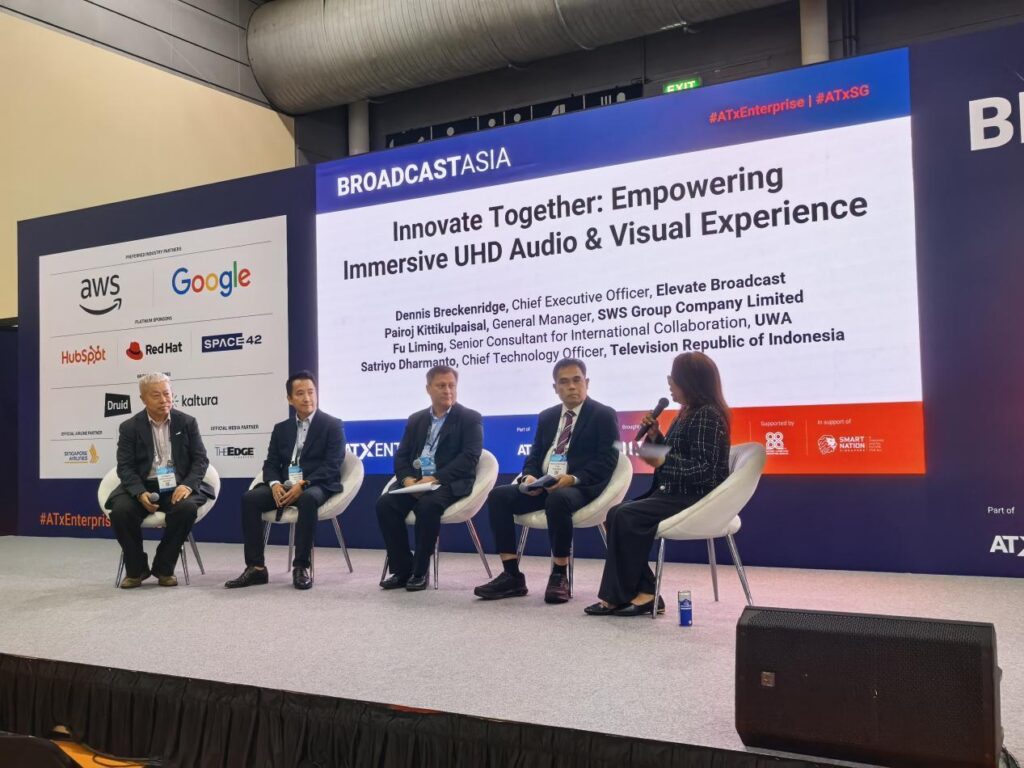
BroadcastAsia 2026 | UWA Successfully Hosts “Innovate Together: Empowering Ultimate Audiovisual Experience” Forum

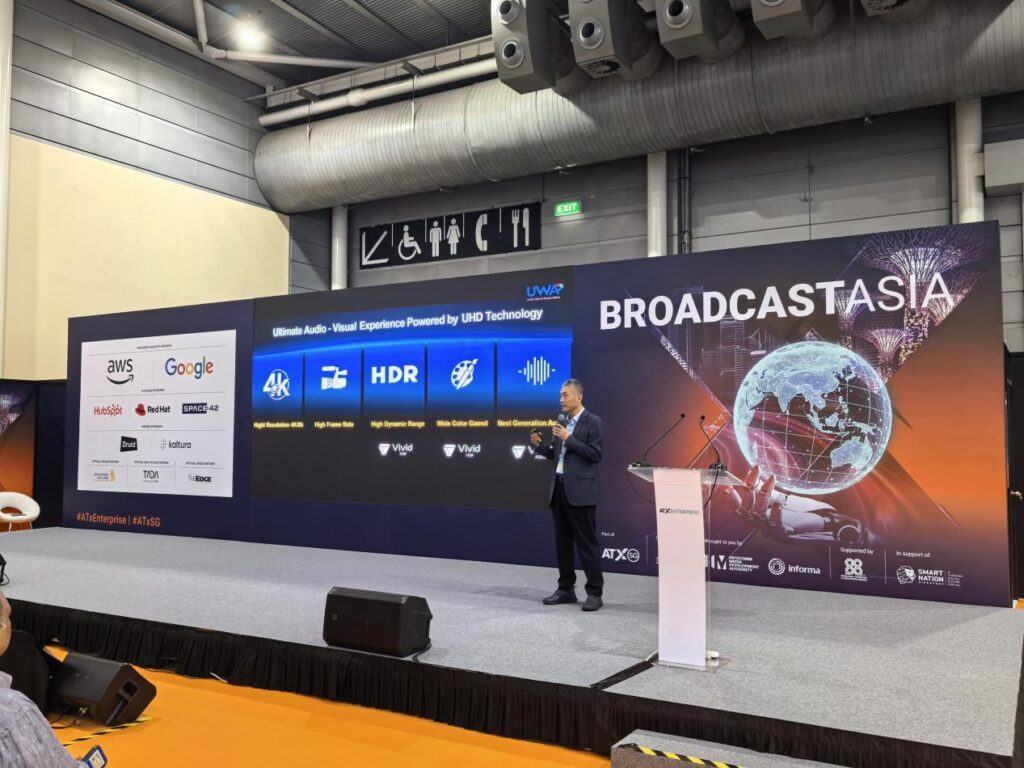
On May 21, during BroadcastAsia 2026, the UHD World Association (UWA) successfully hosted its themed forum, “Innovate Together: Empowering Ultimate Audiovisual Experience.” The forum brought together industry experts and representatives from the global UHD, broadcasting, content production, and media technology sectors to explore how emerging technologies such as AI, ultra-high-definition, and immersive audiovisual solutions are reshaping the future of the industry and driving high-quality global audiovisual development.

The forum was moderated by Vikki Jones, Editor-in-Chief of VMH Magazine.
Vincent Zhang, Secretary General of UWA, delivered a keynote speech titled “Leading Audiovisual Technology & Ecosystem Drive Ultimate Experience.” Focusing on the global UHD audiovisual industry landscape, he introduced the latest progress and ecosystem achievements of HDR Vivid and Audio Vivid technologies, highlighting UWA’s recent accomplishments in technical specifications, international standardization, and cross-industry collaboration.

He also shared UWA’s ecosystem strategy covering the entire industry chain — from content production and transmission to terminal adaptation — and emphasized that UWA will continue promoting open collaboration with global industry partners, research institutions, and ecosystem members to accelerate technology evolution and real-world deployment, driving the large-scale adoption of immersive UHD audiovisual technologies worldwide.

Zhou Siyu, Head of AI-Driven Entertainment Content at Beijing Funshion Online Technologies Co., Ltd., presented “FunAI Tech: From Content Factory to a Closed-Loop Global Entertainment Ecosystem.” The session showcased innovative AI applications in entertainment content production, distribution, and ecosystem development, highlighting FunAI’s AI-powered products and its exploration in AI short dramas, intelligent video creation, collaborative distribution, and AI entertainment ecosystem construction.

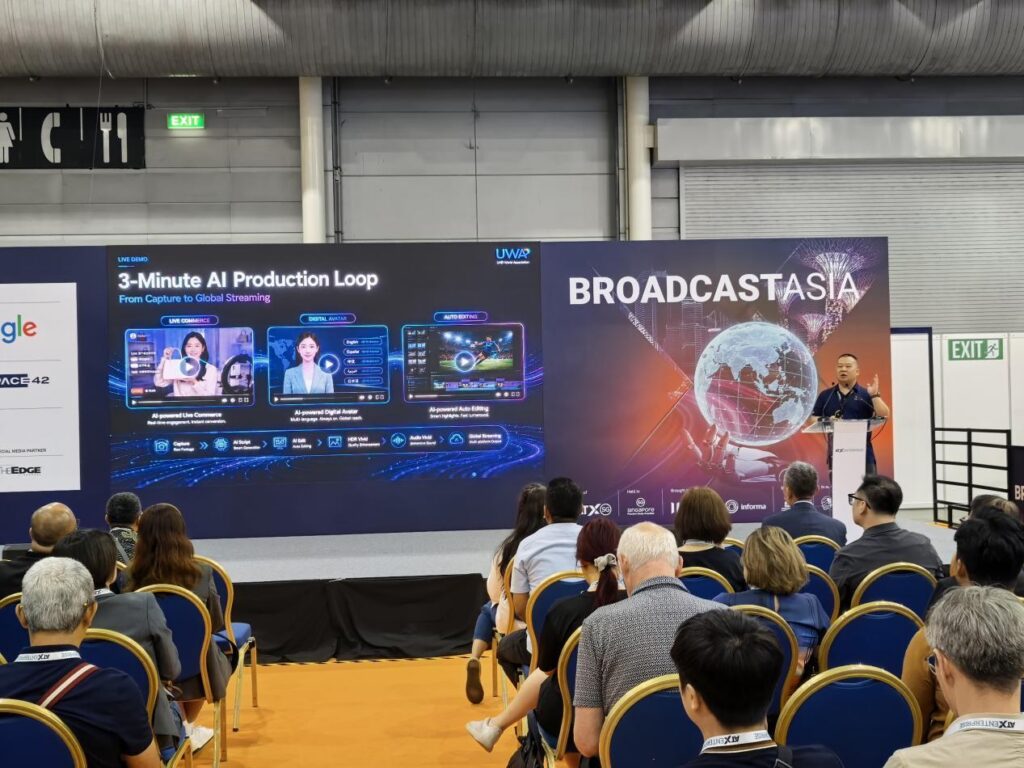
Ben Hu, CEO of RGBlink, delivered a presentation titled “Beyond the Cut: Generative AI and Vivid Standards as the Next Frontier in Content Creation, Production and Streaming.” He explored how generative AI and Vivid standards are empowering the future of content creation, production, and streaming. He also introduced RGBlink’s intelligent hardware solution “streamZ,” demonstrating how parallel workflows can support 4K content production and display management.

During the panel discussion session, speakers exchanged insights around the theme of “Innovate Together: Empowering Ultimate Audiovisual Experience.”
Panelists included:

  • Fu Liming, Senior Consultant for International Collaboration, UWA
  • Bernardus Satriyo Dharmanto, CTO of Television Republic of Indonesia
  • Dennis Breckenridge, CEO of Elevate Broadcast
  • Pairoj Kittikulpaisal, Solution Products General Manager of SWS Group

The discussion focused on UHD industry trends, international collaboration, immersive audiovisual experiences, and global ecosystem development.

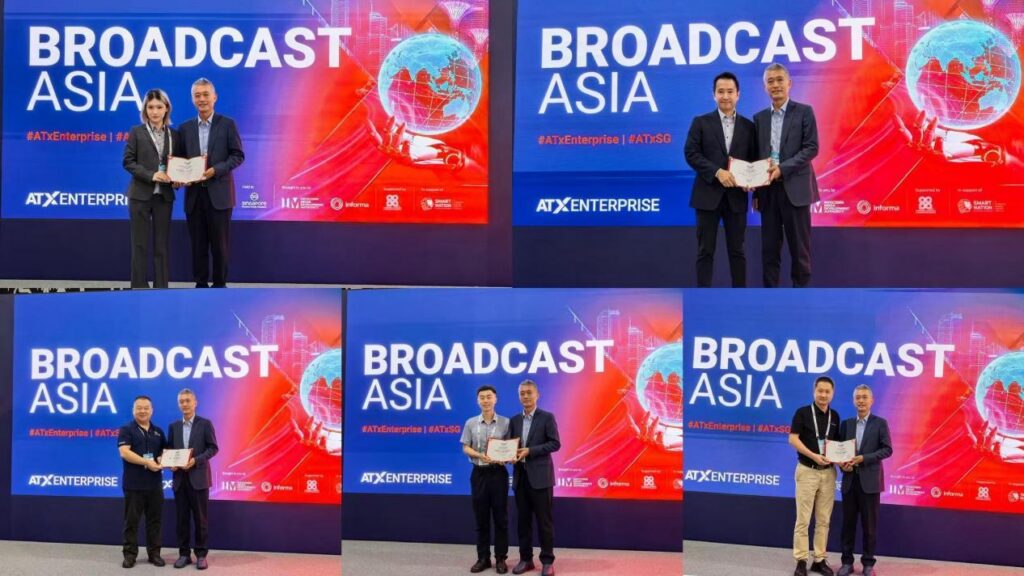
The forum also featured a UWA membership certificate ceremony, where new members including SWS Group Company LimitedShineonScience ImageRGBlink, and Funshion Video were officially awarded UWA membership certificates, further expanding the global UHD ecosystem network.

As one of Asia’s leading broadcasting and media technology exhibitions, BroadcastAsia 2026 gathered broadcasters, OTT platforms, media technology companies, and content creators from around the world. During the exhibition, UWA’s “UWA Pavilion” and “Vivid Experience Room” showcased the latest applications of HDR Vivid and Audio Vivid technologies across OTT, mobile devices, automotive, and home entertainment scenarios, attracting strong interest and active engagement from international visitors.

Looking ahead, UWA will continue working closely with global industry partners to accelerate UHD audiovisual technology innovation, international standardization, and ecosystem globalization, jointly building a more open, collaborative, and innovative global UHD industry ecosystem.

Notice: Launch of the UWA2030 (2026 Edition) Refresh

Dear Members and Experts,

Since the release of the UWA 2030 Ultra High-Definition Industry Development Trends Research Report(2024), the UHD industry has seen rapid progress in technology, applications, and ecosystem. To adapt to the new landscape, the UWA officially launches the refresh of  UWA2030 (2026 Edition).

We invite experts from all member companies to join us in shaping the future of UHD and co-creating a global industry vision. Your participation is highly valued!

(I) Review of the 2024 Edition

The 2024 report outlined 9 major trends and 16 key scenarios:

9 Trends:

  • Booming UHD ecosystem
  • Continuous evolution of audiovisual tech
  • HDR Vivid & Audio Vivid going global
  • AI reshaping the industry
  • Cloud-network-device synergy for production & service
  • Rich UHD content supply
  • IP-based UHD production & broadcasting
  • Widespread use of XR virtual shooting
  • Green & low-carbon sustainable development

16 Scenarios:
Broadcasting, audiovisual entertainment, gaming & e-sports, in-vehicle audio-visual, cinema tech, stage design, cultural tourism, sports broadcasting, “100 Cities 100 Screens”, digital signage, education & training, security monitoring, healthcare, industrial manufacturing, autonomous driving, mobile live streaming.


(II) Refresh Directions for the 2026 Edition

Focus areas (including but not limited to – your additional insights are welcome):

  1. Key tech breakthroughs – Evolution & global promotion of 3D, HDR Vivid, Audio Vivid, etc.
  2. Deep AI integration – AIGC reshaping content creation, transmission, and presentation.
  3. Content supply growth – More UHD channels, higher UHD share on the internet.
  4. Expanded industry applications – Large-scale adoption in home, cinema, automotive, industry, healthcare, education, AI glasses, etc.
  5. Going global – Synergistic export of technical solutions and content ecosystem to build global UHD industry influence.

(III) Timeline

Now – June 30: Open call for submissions (content proposals or draft updates).

July & September: Two online/offline workshops.

November: Official release of UWA2030 (2026 Edition) at the Alliance Summit.

(IV) How to Participate

Email your submissions – Send your specific revision suggestions or draft chapters to:

Wang Bin – [email protected]

Zhang Xinyue – [email protected]

Reference material:
Attachment: UWA 2030 Ultra High-Definition Industry Development Trends Research Report-1220

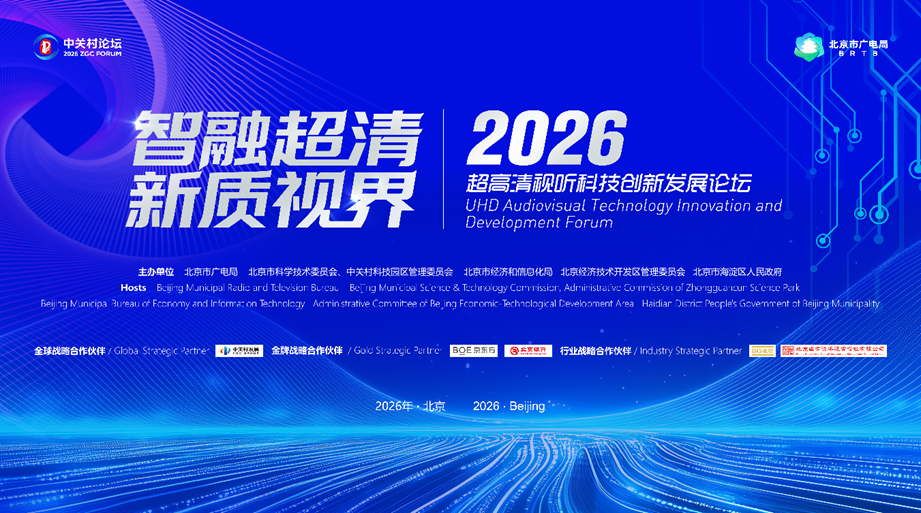
2026 ZGC Forum Annual Conference – UHD Audiovisual Technology Innovation & Development Forum Successfully Held

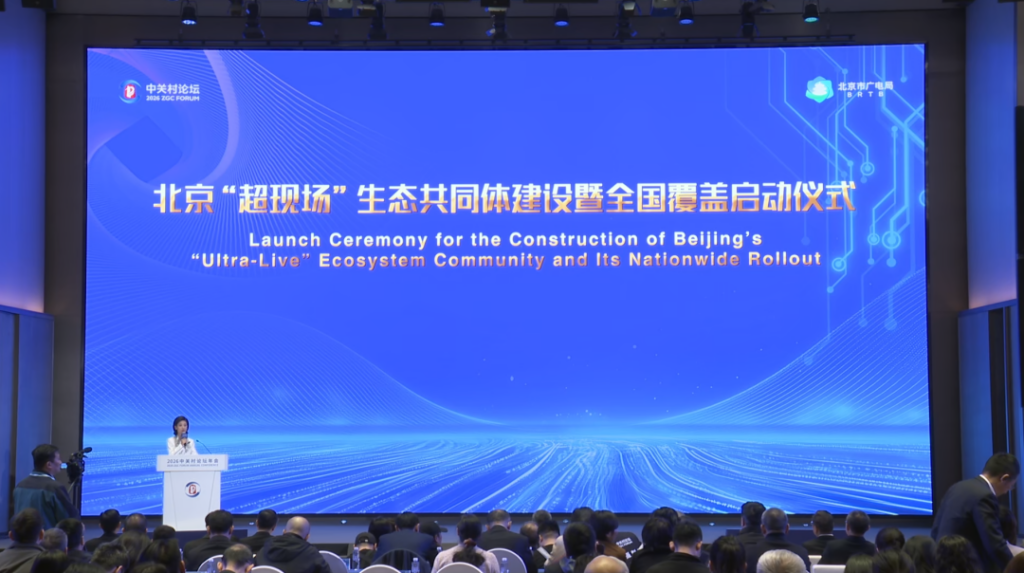
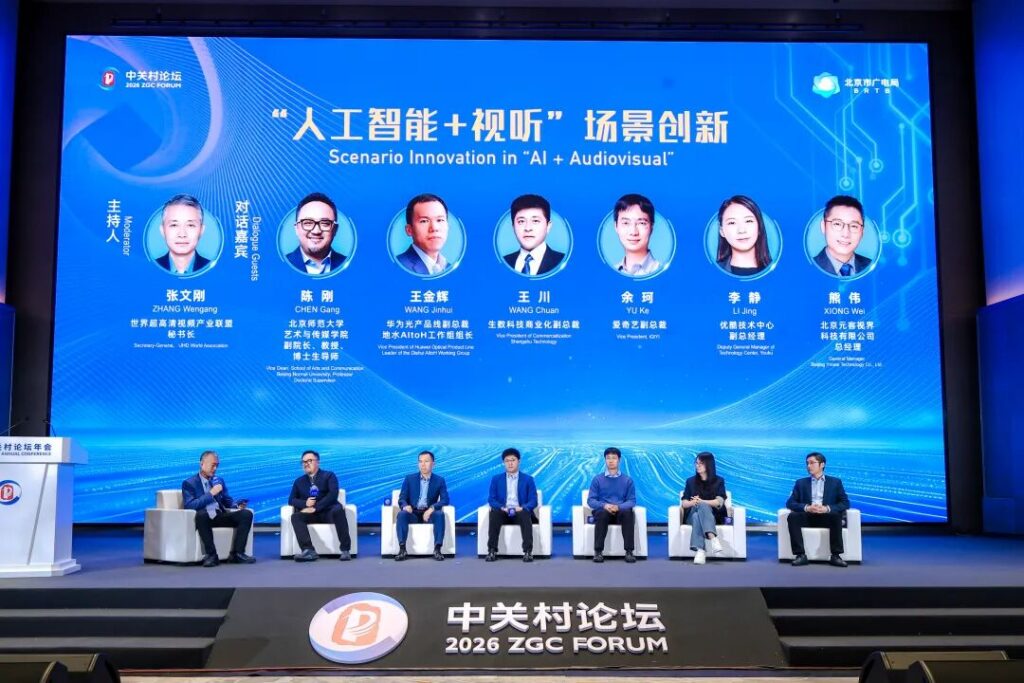
On March 28, the “UHD Audiovisual Technology Innovation & Development Forum,” part of the 2026 ZGC Forum Annual Conference, was successfully held in Beijing.

Under the theme “Intelligent Integration, A New Vision for UHD,” the forum was hosted by relevant Beijing authorities and organized by the UHD World Association (UWA). Leading experts, industry representatives, and research institutions from China and abroad gathered to explore emerging productivity in the audiovisual sector and chart the future of intelligent audiovisual industries.

01 | Leadership Remarks 

Officials emphasized that China places strong strategic importance on UHD development. In 2026, efforts will focus on strengthening technology-driven innovation, accelerating the upgrade of broadcasting systems toward more intelligent and integrated models, enhancing core technology capabilities, and expanding Ultra HD applications across sectors such as culture, tourism, education, healthcare, and sports to deliver richer and more personalized audiovisual experiences.

Beijing, as both a global innovation center and a national cultural hub, has been actively advancing the UHD audiovisual industry through a development path characterized by technology empowerment, content leadership, and ecosystem collaboration. With the rapid convergence of emerging technologies such as artificial intelligence, UHD, XR, and Web3.0, the industry is entering a new phase of growth. Looking ahead, Beijing will continue to strengthen policy support, improve financial and talent systems, advance key technological innovation in areas such as vertical AI models and real-time rendering, expand application scenarios, and promote the global reach of its technologies, products, and services.

02 | Policy Releases & Strategic Initiatives

The forum featured a series of major policy announcements and partnership initiatives, injecting strong momentum into the development of the UHD audiovisual industry. In addition, new measures were introduced to promote the high-quality development of Beijing’s animation industry, reinforcing the city’s dual role as a cultural and technology innovation center. The launch of the “Super Live” ecosystem initiative marked a shift from localized pilots to nationwide deployment, signaling broader adoption of UHD audiovisual scenarios across China. Multiple project signing ceremonies between Beijing districts and leading enterprises further demonstrated the city’s commitment to industrial clustering and collaboration.

03 | Keynote Insights & Industry Dialogue

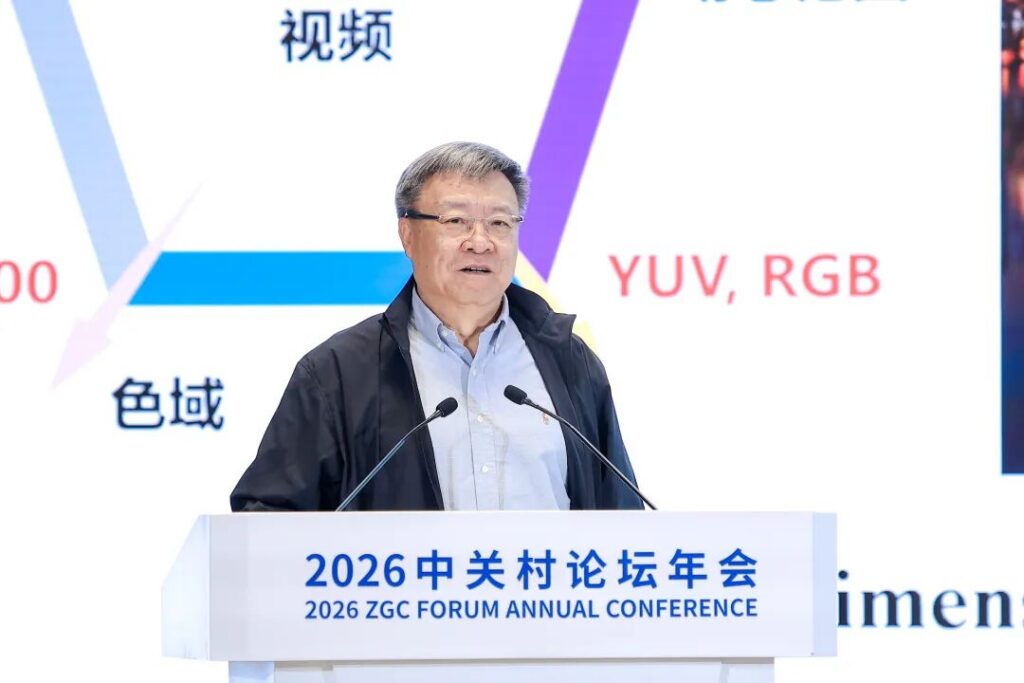
Gao Wen shared insights into next-generation UHD video coding technologies, noting that China’s AVS standards have evolved from following international developments to taking a leading role globally. He highlighted the successful application of AVS3 in major international events and outlined future directions that combine traditional video coding techniques with artificial intelligence to achieve higher efficiency. He also revealed plans for a 16K dome demonstration project in Beijing and encouraged further large-scale innovation to sustain global leadership in Ultra HD technologies.

Jiang Wenbo presented the latest advancements from China Media Group, including innovations in UHD production and broadcasting. He introduced the development of a full-media UHD technology system and highlighted the rapid growth of large-screen viewing through the Yangshipin platform, which has become an important new channel for television consumption. He noted that the broadcasting industry is undergoing a rapid transition toward full-media UHD, driven by continuous integration with artificial intelligence and other advanced technologies.

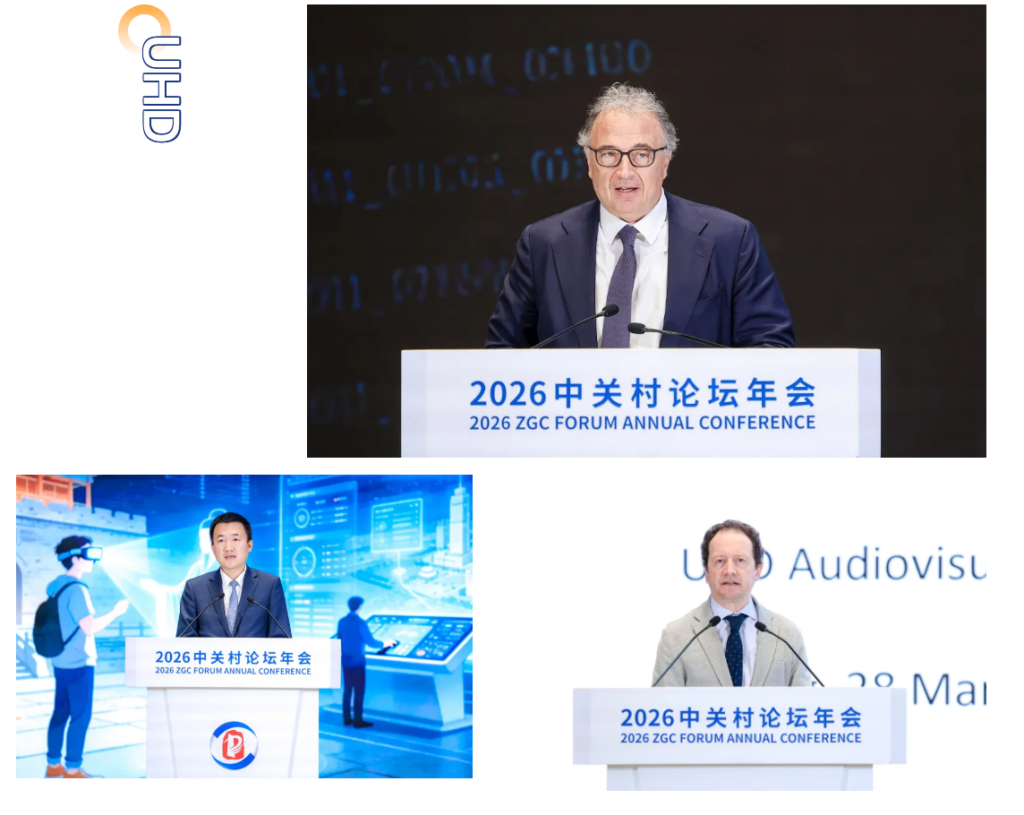
Olivier Chiabodo discussed the applications and challenges of artificial intelligence in the Ultra HD industry. Guo Yifeng outlined how Bank of Beijing is driving value co-creation across the AI and audiovisual industry chain. Meanwhile, Luis Jorge Romero shared insights on how Chinese technology standards can build stronger international influence. A roundtable discussion moderated by Vincent Zhang brought together representatives from academia and leading enterprises, including HuaweiiQIYI, and Youku, to explore innovation pathways and future opportunities for AI-empowered audiovisual industries.

The forum brought together more than 400 representatives from government agencies, industry organizations, academic institutions, and enterprises. Its successful convening marks an important milestone in advancing the UHD audiovisual industry toward higher quality development, greater innovation, and broader large-scale adoption.

HDR Vivid Milestone: DVB Publishes Updated BlueBooks

The Digital Video Broadcasting (DVB) Project has published updated DVB BlueBooks incorporating T/UWA 005 dynamic metadata (HDR Vivid) into its core video coding specification for broadcast and broadband services.

T/UWA 005, developed by the UHD World Association (UWA), defines a dynamic metadata format designed to support HDR dynamic mapping, enabling more optimized HDR experiences across devices and services.

With its inclusion alongside other HDR dynamic metadata technologies in ETDI TS 101 154, broadcasters and device manufacturers gain an expanded set of HDR solutions supporting codecs such as HEVC, AVS3, and VVC.

This marks another important step toward adoption of HDR Vivid and continued collaboration between international standards bodies and industry partners.

UWA Highlights Next-Generation Audiovisual Standards at MWC 2026 FAVS Forum

Barcelona, March 4, 2026 — During MWC Barcelona 2026, the Future Audiovisual Vision Summit (FAVS) Forum, co-hosted by the UHD World Association (UWA) and the World AI Glasses Alliance (WAEA), brought together global leaders from the consumer electronics, AI, and audiovisual industries to explore the future of next-generation visual intelligent devices.

As part of the forum, UWA Secretary-General Vincent Zhang delivered a keynote speech titled “Defining the Next-Generation Audiovisual Experience Through Standards.” He emphasized that as AI glasses and other visual intelligent devices rapidly evolve, high-quality audiovisual experience is becoming a critical factor in product competitiveness.

Vincent noted that the industry currently faces challenges including inconsistent user experiences, fragmented technical implementations, and limited interoperability between hardware, software, and content ecosystems. To address these challenges, he highlighted the importance of establishing unified technical and evaluation standards to support large-scale industry growth and ensure consistent quality across devices and platforms.

UWA has been actively promoting next-generation audiovisual technologies, including HDR Vivid and Audio Vivid, to enhance immersive viewing and listening experiences across emerging devices and platforms. These standards are designed to support the evolving needs of intelligent terminals such as AI glasses, enabling richer visuals, more immersive audio, and optimized content delivery.

The FAVS Forum also gathered representatives from international organizations, technology companies, and industry associations to discuss innovation in AI-powered devices, sustainable technology development, and global ecosystem collaboration.

By participating in MWC 2026 and co-hosting the FAVS Forum, UWA continues to strengthen international collaboration and advance the adoption of high-quality audiovisual standards for the next generation of intelligent devices.

Looking ahead, UWA will continue to engage with global partners at major international events such as IFA and CES, promoting standardization, innovation, and ecosystem collaboration across the global audiovisual industry.

A Year to Ride Forward: UWA in Full Motion

As spring arrives with strength and renewal, so too does a new vision for the future. On the occasion of the Chinese New Year, the UHD World Association (UWA) extends its warmest greetings and sincere best wishes to all member organizations, partners, and colleagues across the global ultra-high-definition industry.

May the year ahead bring momentum as powerful as a galloping steed, innovation rising like the tides of spring, and prosperity and well-being to all. Together, let us embrace a new era of audiovisual excellence.


Reflecting on 2025: Building Global Momentum Together

In 2025, UWA joined hands with 488 members across 23 countries and regions, collectively shaping a dynamic global ecosystem empowered by UHD technologies.

We successfully completed the Association’s leadership transition, electing the second Council, Standing Council, and executive leadership team. With 52 Council members and 13 Standing Council members, UWA has strengthened its governance foundation. A professional community of 1,000+ industry experts and 500+ standards experts continues to provide robust intellectual support for industry advancement.

Internally, we further enhanced governance standardization, issuing 35 management frameworks and significantly improving digital operational capabilities, driving higher efficiency in both decision-making and member services.


Advancing Standards, Driving Global Impact

Standards remained at the core of our mission. In 2025, UWA achieved dual breakthroughs in technology and standardization:

  • Audio Vivid successfully incorporated into international standard systems including ITU and IEC
  • Significant progress achieved for HDR Vivid within DVB and other international organizations

UWA standards continue to expand their global influence.


Expanding the Vivid Ecosystem Across Scenarios

Throughout the year, we deepened the Vivid ecosystem and extended UHD experiences beyond the living room:

  • Over 1 million vehicles equipped with in-car immersive audio solutions
  • Deployment of Vivid cinemas in 12 cities, bringing immersive audiovisual experiences to theatrical audiences
  • More than 100,000 hours of Vivid content
  • Over 5 million 3D audio tracks and thousands of audiobooks

From mobile screens to cinema giant screens, from smart cockpits to everyday entertainment, Vivid technologies are reshaping full-scenario lifestyle experiences.


Exploring New Frontiers: AI, Globalization, and Strategic Partnerships

In 2025, UWA ventured into new technological frontiers:

  • Established the AI TO H Working Group, promoting UHD + AI integration across home, healthcare, and education scenarios
  • Strengthened global collaboration with Avid, integrating Audio Vivid natively into leading professional audio production workflows
  • Signed strategic cooperation agreements with international organizations including Khronos Group
  • Conducted nearly 100 exchanges with 50+ overseas enterprises, building a truly global UHD collaboration network

Through 80+ global industry events, UWA continuously amplified ecosystem momentum. Meanwhile, our integrated multimedia communication strategy achieved 500+ million annual impressions, with cumulative brand exposure exceeding 15 billion across platforms, expanding the reach of the Vivid experience worldwide.


Looking Ahead to 2026: Elevating the Next Era of UHD

The achievements of 2025 have laid a powerful foundation for greater heights.

In 2026, UWA will continue to advance its mission of:

Technology Leadership · Standards First · Ecosystem Co-Creation · Global Development

We will:

  • Deepen collaborative innovation with international partners
  • Accelerate global deployment of UHD technologies
  • Strengthen standard systems to safeguard high-quality industry development
  • Expand cross-scenario ecosystems, empowering diverse industries and reaching broader audiences

2026 marks a new chapter of integration and acceleration for the UHD industry. Facing both opportunity and challenge, we will move forward with determination, openness, and a shared commitment to mutual success.

Together with all members and partners, we will usher the audiovisual industry into a new era of high-quality development.


Let Us Write 2026 Together

With innovation as our pen and collaboration as our ink, let us jointly draw the brilliant blueprint of the UHD industry in 2026.

Wishing you prosperity, success, and happiness in the Year of the Horse.

UHD World Association (UWA)

Vincent Zhang

Secretary General

3D Immersive Media Seminar Held in Shenzhen to Explore Technology Evolution and Industry Development

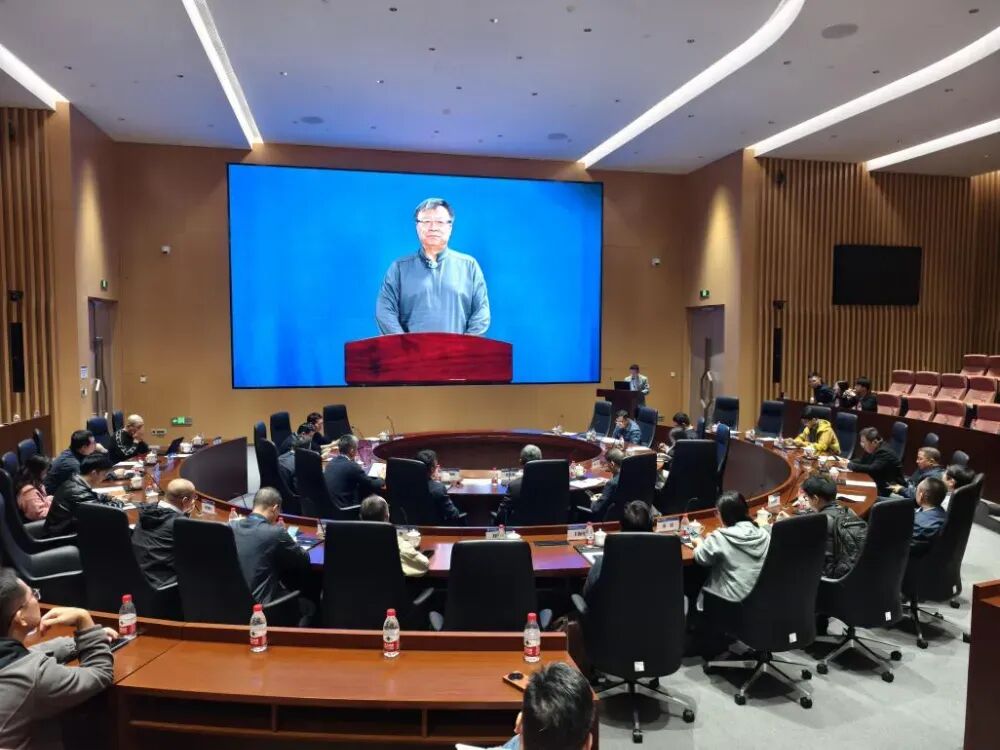
To further promote the integrated development of UHD and 3D immersive media industries, PengCheng Laboratory and the UHD World Association (UWA) recently co-hosted the “3D Immersive Media Technology and Applications Seminar” in Shenzhen.

The seminar featured in-depth exchanges and discussions on key technologies, standardization, application scenarios, and industrial ecosystems related to 3D immersive media.

More than 50 expert representatives from across the industry value chain attended the event. Participating organizations included PengCheng Laboratory, China Media Group (CMG), Huawei, China Mobile Migu, TCL, HiSilicon, Mango TV, ZTE, Tencent, Konka, HONOR, OPPO, VIVO, Insta360, Malanshan, LUSTER LightTech, Shenzhen Media Group, FiberHome, Sikai Garden, QingTong, Tusheng, Bohui, among others.

Gao Wen, Academician of the Chinese Academy of Engineering and Director of Peng Cheng Laboratory, delivered a video address. He noted that, as a national strategic scientific and technological force, Peng Cheng Laboratory is committed to building a national-level computing power platform and has long been deeply engaged in video coding as well as 3D immersive technologies and applications. He called on the industry to form a united force and “work together to grow and strengthen the 3D immersive technology and application industry.”

Vincent Zhang, Secretary General of the UWA, reviewed the association’s work to date in the field of 3D immersive technologies and applications. He emphasized that, as an industry organization, the core mission is to address real industrial challenges and promote the implementation of technologies, forming a complete industrial closed loop.

Wang Ronggang, Director of the Intelligent Coding Institute of the Media and Interaction Department at Peng Cheng Laboratory, systematically elaborated on the development path and frontier breakthroughs of 3D immersive media. He pointed out that immersive communication for 6G is a key driving force, and that 3D video technology is continuously evolving along a trajectory from stereoscopic vision and multi-view video to panoramic media, free-viewpoint video, and ultimately holographic video.

Currently, the industry still faces challenges such as high content production costs, massive data volumes, and difficulties in real-time processing on mobile devices. He highlighted the laboratory’s breakthrough progress in 3D video coding technologies, which can achieve compression efficiencies of up to several thousand times. Under the same visual quality, the bitrate can be reduced by approximately 90% compared with the latest international standards. Real-time interactive verification has already been completed on mobile devices, and corresponding chip prototypes have also been developed. He further noted that future media formats will evolve toward a multimodal paradigm, with video as the foundation, integrated with spatial audio, haptics, and physical attributes.

Experts attending the seminar generally agreed that 3D immersive media is at a critical stage of transitioning from technological breakthroughs to large-scale applications. Its development should be driven by application scenarios and supported by a robust ecosystem, enabling the coordinated evolution of technology, content, terminals, and business models. Establishing dedicated working groups to collaboratively advance industrial development was considered essential.

During the discussions, industry experts actively exchanged views, focusing on the following areas:

At the technical level, continued iteration of core technologies is required, along with the establishment of a standards system aligned with industrialization progress. At the content level, production guidelines, toolchains, and new technologies should be integrated to lower barriers to creation. At the terminal and consumer level, user habits should be cultivated through AR/VR/MR devices, smartphones, tablets, and televisions to ensure high-quality experiences. At the application and commercial level, continued focus on sports broadcasting is encouraged, alongside active expansion into diversified fields such as gaming, digital humans, e-commerce, mapping, and spatial intelligence, potentially through a phased development approach.

Following the seminar, a “3D Media” specialized working group, to be established under the UWA, will set up a regular communication mechanism and organize periodic thematic seminars. The group will jointly promote key technology iteration, standard development, demonstration applications, and industrial deployment, systematically addressing development bottlenecks and accelerating the growth of the industrial ecosystem.

Audio Vivid Powers the “Better 2026” Jiangsu TV New Year’s Eve Concert

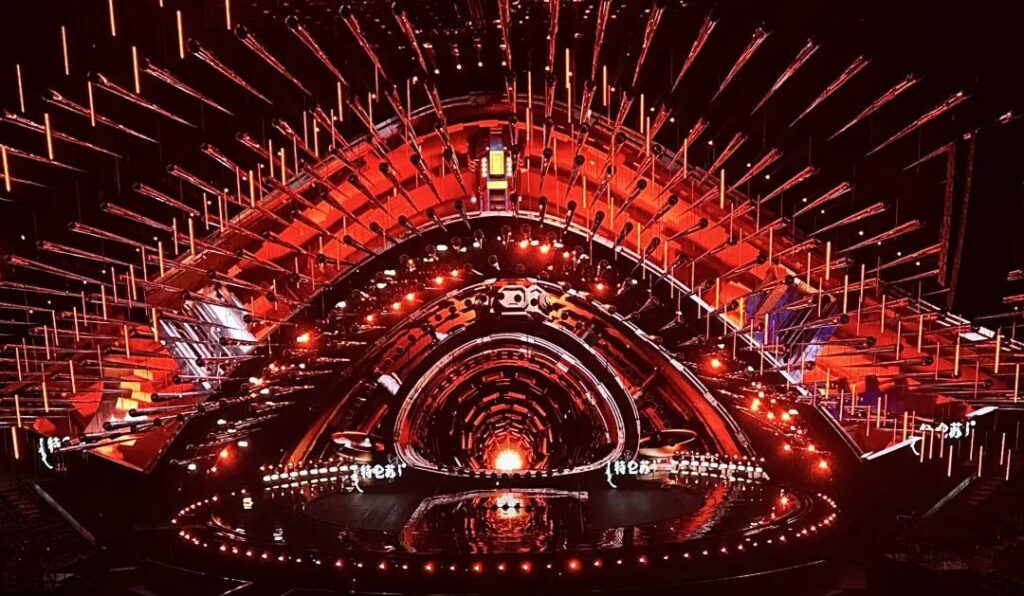
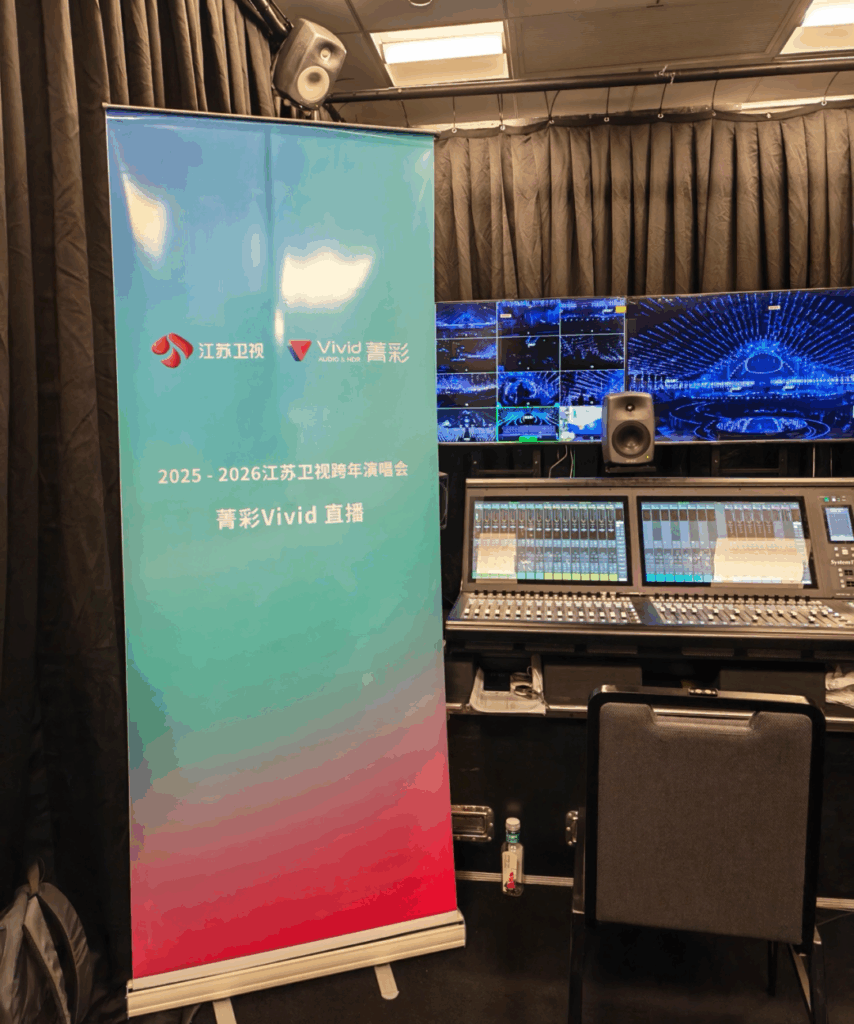
The “Better 2026 Jiangsu TV New Year’s Eve Concert”, broadcast live worldwide from the Galaxy Arena in Macau on December 31, marked a major milestone in immersive audio broadcasting. For the first time, the concert was produced and livestreamed in Audio Vivid, bringing next-generation spatial sound to a mass audience at the turn of the year.

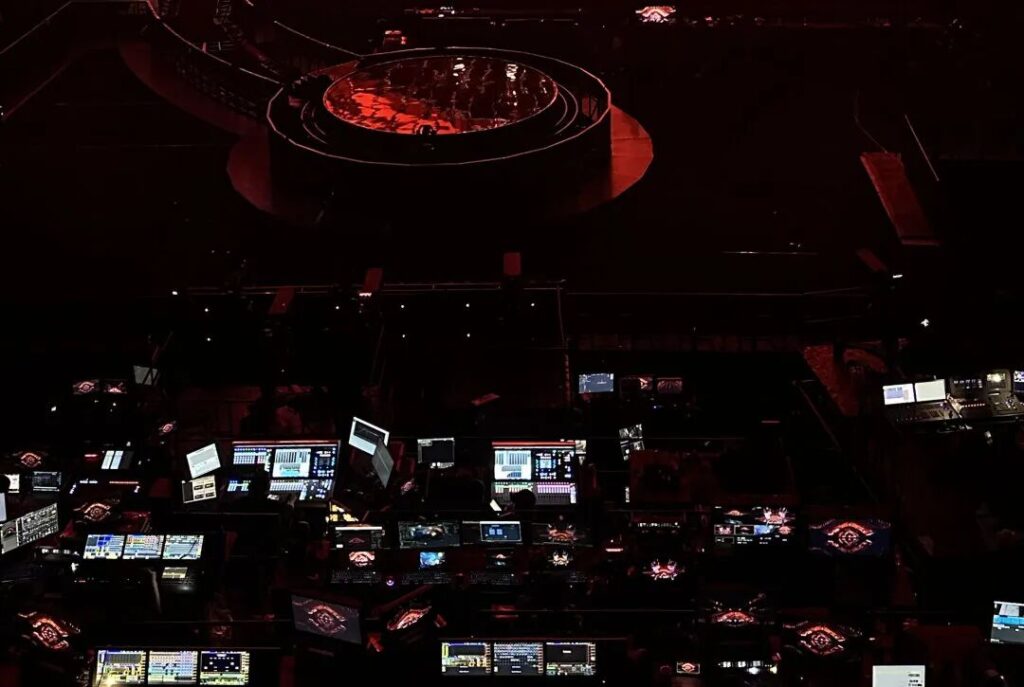
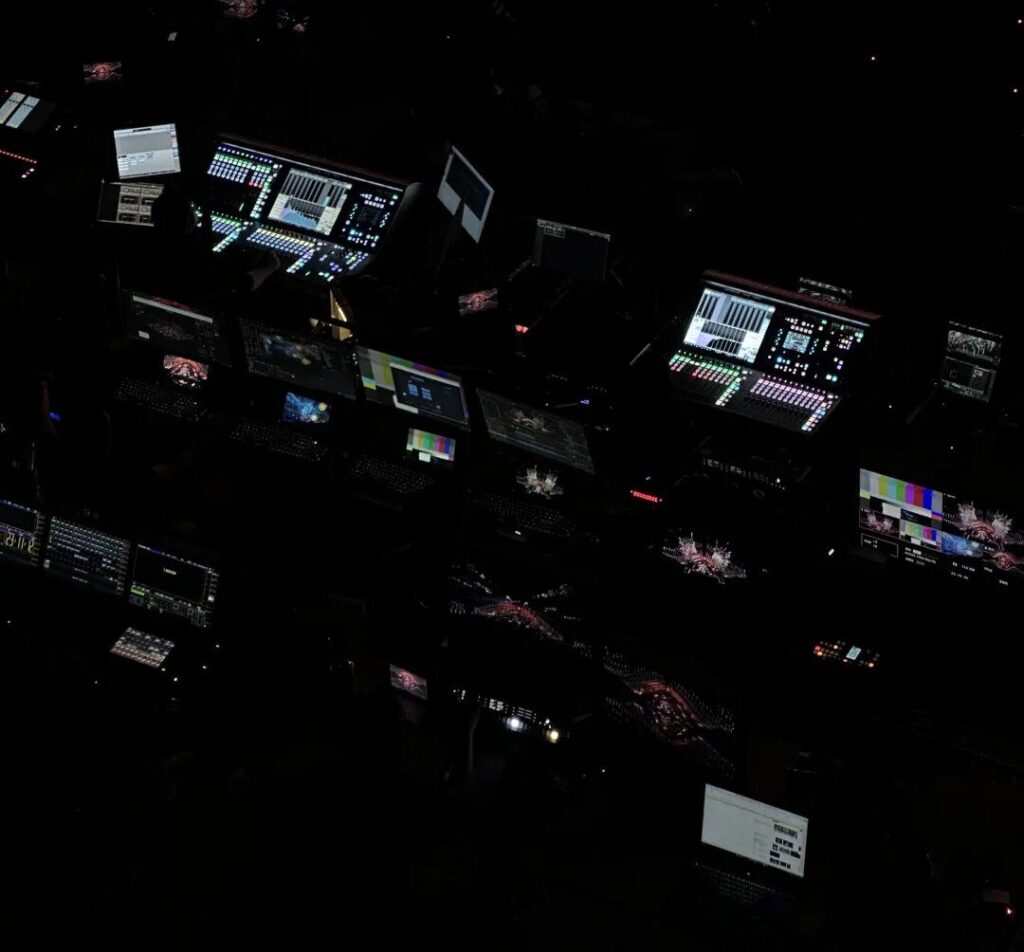
Designed to meet the extreme demands of large-scale live production, the audio system adopted a fully redundant, system-level architecture built around SSL Live consoles and DirectOut infrastructure. The OB final mix combined SSL Live L550 Plus, L350 Plus, and System T S400, enabling real-time 5.1.4 object-based mixing and Audio Vivid rendering for broadcast. From live sound, to OB mixing, to final encoding, the entire signal chain was unified within the same console family—ensuring tonal consistency, precision control, and reliable failover.

Audio Vivid production was carried out in parallel with traditional formats. Mix engineers monitored both 5.1.4 immersive beds and Audio Vivid binaural feeds, allowing the spatial soundfield to translate seamlessly from professional monitoring environments to consumer devices. Audio and video signals were embedded via SDI, encoded through Audio & HDR Vivid encoders, and delivered as redundant streams to the AI lychee apps for live distribution. A dedicated decoder enabled real-time confidence monitoring of the Audio Vivid livestream.

To guarantee uninterrupted performance, DirectOut PRODIGY.MP processors provided matrix-based routing and EARS™ automatic redundancy switching, extending protection beyond main outputs to include all insert paths and IEM feeds. This ensured that any console switchover occurred without audible artifacts or loss of spatial integrity—critical for immersive audio delivery.

By integrating Audio Vivid into a flagship live broadcast, Jiangsu TV demonstrated how next-generation immersive audio standards can scale from professional production to mass distribution, setting a new benchmark for live UHD and immersive sound experiences across Asia.

(Original article by DMT. Edited by UWA)